


phjili | Exploring the Intricacies of Strategy Games
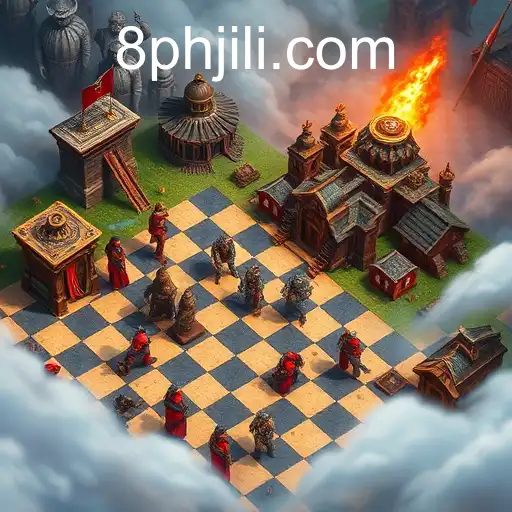
In the vast universe of gaming, strategy games stand out as a unique category that challenges a player's tactical thinking, decision-making skills, and ability to plan several steps ahead. Whether you're building an empire from scratch, commanding troops in a historical battle, or managing resources to ensure survival against various threats, strategy games offer a mental exercise unlike any other. With 'phjili' becoming a prevalent keyword in the world of online strategy games, enthusiasts find themselves drawn to new experiences that test their mettle.
Strategy games have been around for decades, evolving from simple board games like chess to complex online simulations. They are divided into several sub-genres, such as real-time strategy (RTS), turn-based strategy (TBS), and multiplayer online battle arena (MOBA), each requiring a unique approach and offering distinct challenges. The rise of digital platforms has further popularized these games, enabling players from around the globe to connect, share strategies, and compete.
Games like "Civilization," "StarCraft," and "Age of Empires" have become classics in the genre, known for their intricate gameplay and deep strategic elements. Players must analyze their opponents, anticipate moves, and continually adapt to changing conditions. The keyword 'phjili' has recently emerged as a point of interest, indicating a trend or innovation that might be gaining popularity among strategy gamers.
The appeal of strategy games lies not just in the gameplay but also in the cognitive benefits they offer. Studies have shown that engaging in strategy games can enhance problem-solving skills, improve memory, and increase the ability to process information. These games require players to think critically about every move and understand the potential outcomes of their decisions.
Furthermore, strategy games often provide a platform for learning historical events, simulating economic principles, and fostering analytical thinking. They encourage players to explore different scenarios, weigh pros and cons, and make decisions that lead to victory or defeat. The competitive aspects of multiplayer strategy games also add a social dimension, where players can form alliances, negotiate, and compete in tournaments.
As technology advances, the scope and capabilities of strategy games continue to expand. Developers are constantly experimenting with new mechanics, graphics, and storytelling methods to create more immersive and challenging experiences. The introduction of AI-driven opponents and procedurally generated scenarios adds complexity and replayability, ensuring strategy games remain timeless favorites.
In conclusion, the allure of strategy games is undeniable. From honing tactical skills to fostering a global gaming community, these games offer both entertainment and mental stimulation. The keyword 'phjili' may point to emerging trends that promise exciting developments in strategy gaming, making it an exciting time for enthusiasts to explore this ever-evolving genre.
